Daisy Flowers Canva Frame Template: A Designer's Review
When you're building a brand or creating content, the small details often carry the most weight. I recently came across the Daisy Flowers Canva Frame Template, and it’s one of those design assets that quietly does heavy lifting without demanding the spotlight. If you work in Canva regularly—whether for social media, client projects, or your own business—this is worth a closer look. Let’s break down what it is, how it works, and where it genuinely fits into a professional workflow.
What Exactly Is This Template?
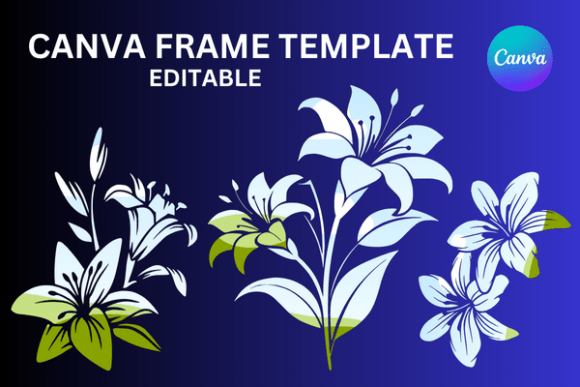
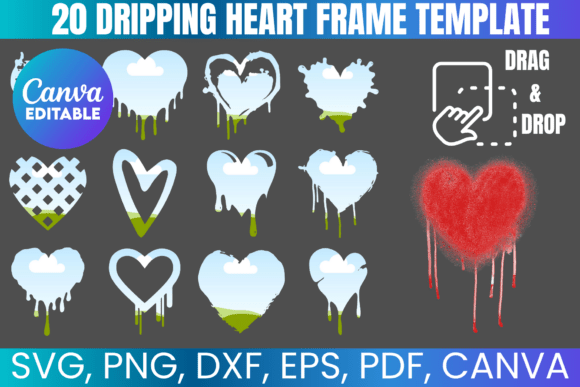
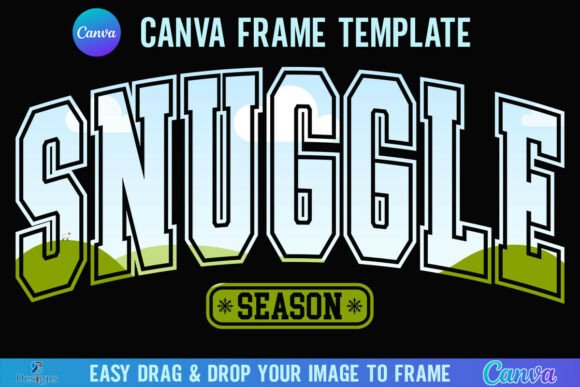
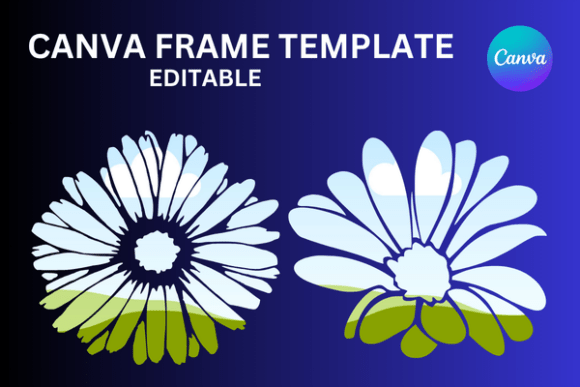
First, let's clear up a common point of confusion. This is not a PNG, SVG, or a set of static image files. It is a fully editable Canva frame template. You receive a ZIP file containing one PDF. That PDF includes a direct link to load two custom-made frame templates into your Canva account. Once loaded, you can drag and drop any photo or graphic into the frame, resize it, recolor it, and use it as many times as you need across unlimited projects. The frames themselves feature a delicate daisy floral motif, designed with a transparent layer that makes them exceptionally versatile for layering, sublimation, or vinyl work.
The visual personality here is soft, organic, and approachable. Think of it as a digital equivalent of a hand-painted ceramic tile or a pressed flower bookmark. The daisy design is intricate but not cluttered, offering a natural, slightly whimsical frame for content. It’s a creative font in the sense that it’s a design asset built for visual storytelling, not for typesetting paragraphs. Its style leans towards a modern, botanical aesthetic that avoids looking overly vintage or childish. This balance is key—it feels fresh enough for contemporary brand identity work, yet timeless enough for classic projects.
Where This Frame Template Truly Shines
Understanding where an asset like the Daisy Flowers Canva Frame Template works best is about recognizing its strengths. It excels as a tool for adding a layer of polish and personality without the effort of building floral elements from scratch. Here’s a practical breakdown of its ideal applications.
For social media graphics, it’s a game-changer for content creators and small business owners. Imagine framing a customer testimonial, a product feature, or a motivational quote within the daisy border. It instantly elevates a standard square post into something more memorable and shareable. For bloggers and publishers, it’s perfect for creating consistent, branded featured images for articles or newsletter headers. The floral frame can visually unify a series of posts, building recognition across your editorial design.
In packaging design and physical products, the transparent layer is a standout feature. Because it’s designed for easy use with vinyl cutters and sublimation printers, crafters and entrepreneurs can apply the daisy frame to mugs, stickers, tote bags, or stationery. You design in Canva, export, and send it to your production method. This bridges the gap between digital design and tangible product creation seamlessly.
For logo design and brand identity kits, think of it as a supporting character. It’s not your primary display font or logo mark, but it can be a powerful secondary element. Use it to frame icons, create pattern backgrounds for business cards, or add a decorative touch to thank-you cards. It helps build a cohesive visual system that feels complete and professional. When considering a premium font for your brand, you might pair a clean sans serif font for body copy with this floral frame to inject personality without sacrificing readability.
Practical Guidance for Implementation
Choosing and using any design asset requires a bit of strategy. Here’s how to approach the Daisy Flowers Canva Frame Template for the best results.
- Evaluate Project Fit: Ask yourself if the project’s tone aligns with the frame’s soft, organic aesthetic. It’s perfect for wellness brands, lifestyle blogs, floral shops, wedding invitations, and artisanal product marketing. It might clash with ultra-modern, tech-focused, or gritty urban brand identities.
- Test Font Pairings: The frame’s delicacy pairs beautifully with clean, simple typography. Try using a serif font like Playfair Display for elegance, or a friendly sans serif font like Poppins for a more modern feel. Avoid overly ornate script fonts or handwritten fonts that might compete with the frame’s detail. The goal is visual hierarchy—let the frame and the core message coexist without fighting for attention.
- Leverage the Editable Nature: Don’t just use it as-is. In Canva, you can change the color of the frame to match your brand palette, resize it dramatically to suit different formats, and even layer multiple frames for a denser botanical effect. This flexibility is what makes it a valuable commercial font and design asset.
- Consider Readability: If you’re placing text inside the frame, ensure high contrast between the text color and the background of the frame’s interior. The frame itself should enhance, not hinder, the legibility of your core message.
In my experience, assets like this save hours of time. Instead of sourcing floral vectors, tracing paths, and building frames from scratch, you have a professional-grade starting point that’s ready to customize. It’s a practical tool that supports consistency across your web design, print materials, and physical products. For a designer, marketer, or entrepreneur, that kind of efficiency directly translates to more time for strategy and creativity. The Daisy Flowers Canva Frame Template isn’t just a pretty decoration; it’s a functional component of a smart design toolkit, built for real-world application and commercial use.