Family Chore Chart Canva Template 1: A Designer's Take
Let's be honest: keeping a household organized is a project. It has tasks, deadlines, multiple stakeholders, and a constant need for communication. As anyone who manages projects—whether for a client, a brand, or their own home—knows, the right system is everything. That’s where a well-designed tool like the Family Chore Chart Canva Template 1 comes in. It’s more than just a checklist; it's a piece of functional design intended to bring clarity and consistency to the beautiful chaos of daily life.
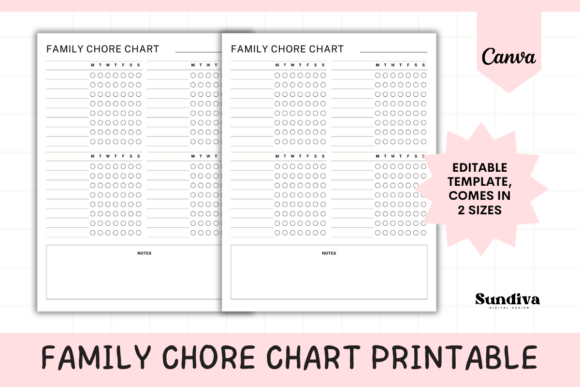
From a design perspective, this template immediately communicates its purpose. The layout is clean and grid-based, prioritizing function without sacrificing visual appeal. It avoids overly childish themes, making it just as suitable for a college roommate situation as it is for a family with young kids. The visual personality is one of friendly efficiency. You'll likely see a balanced mix of a clear, legible sans-serif font for task descriptions and a more approachable, perhaps slightly rounded or handwritten-style font for headers, creating a welcoming hierarchy. This blend of professionalism and warmth is key to its broad appeal, ensuring it feels helpful rather than clinical or overly demanding.
Where This Template Truly Shines
The real-world applications for a resource like the Family Chore Chart Canva Template 1 extend far beyond the kitchen refrigerator. Its strength lies in its adaptability, a core principle of good modern typography and layout design. Consider these scenarios:
- For the Design-Savvy Parent: Use it to teach kids about responsibility in a visually engaging way. The clear structure and customizable colors in Canva allow you to create a system that feels personal and motivating, turning chores into a game rather than a chore.
- For the Entrepreneur or Small Business Owner: This chart isn't just for home. Adapt it to manage a small team's weekly recurring tasks, office cleaning duties, or content creation schedules. The editable nature in Canva means you can rebrand it with your company's colors and logo, making it a seamless part of your internal operations.
- For the Blogger or Content Creator: Use it as a visual planning tool for your weekly content calendar. The Monday-Sunday checkboxes are perfect for tracking posts, stories, and engagement tasks. It’s a tangible piece of your brand identity system, even if it only lives on your desk.
- For Shared Households: In a roommate situation, clear communication is vital. This chart provides a neutral, organized space to assign and track shared responsibilities, preventing misunderstandings and maintaining a harmonious living environment.
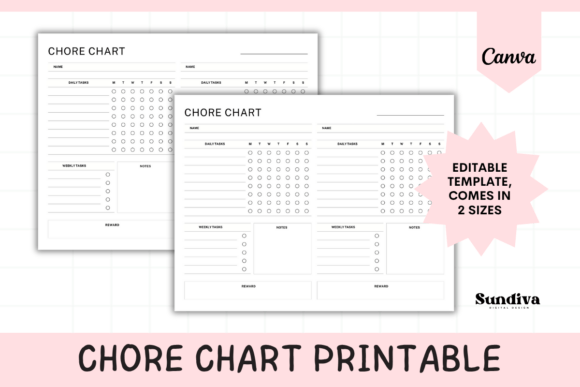
The inclusion of both US Letter and A4 sizes is a thoughtful detail, acknowledging that this design asset needs to be practical for printing anywhere in the world. It’s a small thing, but it speaks to a user-centric design philosophy.
The Psychology of a Well-Designed System
Why does the look and feel of a chore chart even matter? Because design influences behavior. A cluttered, poorly designed list creates visual noise and feels like an added burden. A clean, well-organized chart, like this one, leverages principles of visual hierarchy to make information easy to scan and process.
The choice of fonts in a template like this is crucial. A clear sans-serif font for the task list ensures readability at a glance—no squinting required. This is practical web design thinking applied to print. Meanwhile, a potential script font or handwritten font for the title adds a human touch, softening the directive nature of the content. This careful font pairing does more than just look good; it shapes perception. It says, "This is organized, but it's also friendly and manageable."
For a small business, using consistently branded internal documents like this can subtly reinforce company culture and professionalism. It’s a detail that contributes to a cohesive brand identity, both for your team and for anyone who might glimpse your organized system.
Working with the Template in Canva
The power of this template is unlocked through its customization in Canva. Here’s how to approach it like a pro:
- Evaluate the Fit: Before you dive in, consider the template's inherent style. Does its personality match your household's vibe or your brand's aesthetic? The Family Chore Chart Canva Template 1 has a balanced style, but if your brand is ultra-minimalist or highly playful, you'll want to assess how much customization is needed.
- Test Font Pairings: While the included fonts work well, don't be afraid to experiment. Canva's library is vast. Try swapping the header display font for a bold serif font for a more traditional feel, or a clean modern typography style for a sharper look. Ensure your chosen body font remains highly legible.
- Leverage the Notes Section: This is more than a place for reminders. Use it for weekly goals, motivational quotes, or even a family "wins" section to celebrate completed tasks. It’s a flexible space for positive reinforcement.
- Consider the Medium: Are you printing this on bright white cardstock or using it digitally on a tablet? Your font and color choices might need slight adjustments for screen vs. print. Always do a test print to check for readability and ink usage.
- Understand the License: As a digital product, the template is for your personal or business use to create a finished product (your chore chart). You cannot resell or redistribute the template file itself. This is standard for commercial font and template licenses, protecting the creator's work.
Ultimately, a tool like the Family Chore Chart Canva Template 1 is about reducing friction. It provides a solid, aesthetically pleasing foundation so you can focus on what matters: getting things done and enjoying the process. It’s a small investment in organization that pays dividends in clarity, reduced mental load, and a more smoothly running home or workspace. In a world of digital clutter, there's something deeply satisfying about a well-designed, printable system that just works.