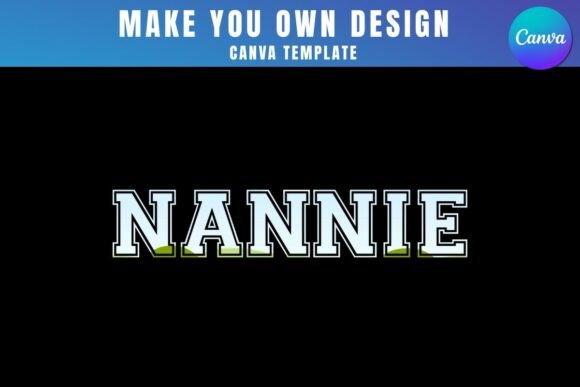
Nannie Canva Frame Template Design: Effortless Visual Branding
In the world of digital content creation, consistency is the bridge between being noticed and being remembered. Whether you are a small business owner building a brand identity from the ground up, or a seasoned designer looking to streamline your workflow, the pressure to produce high-quality visuals is constant. This is where the Nannie Canva Frame Template Design steps in, not as just another set of design assets, but as a practical solution to a very common problem: how to create polished, cohesive graphics without spending hours wrestling with complex software.
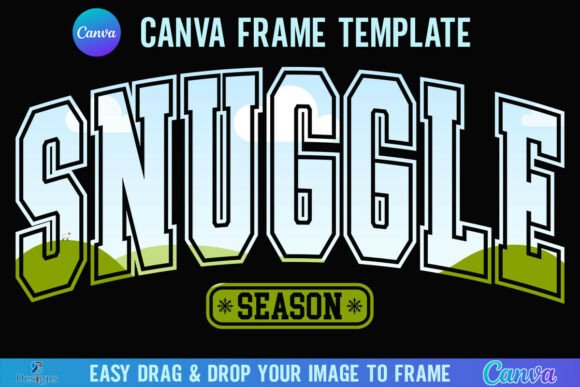
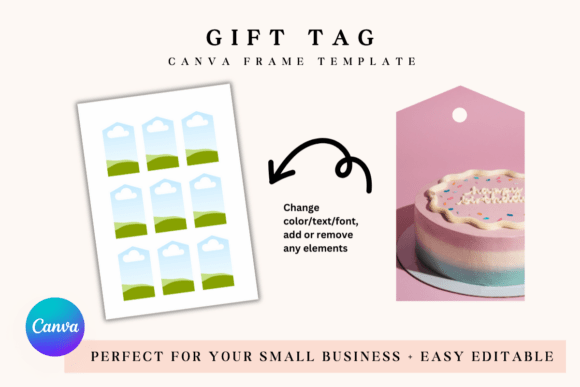
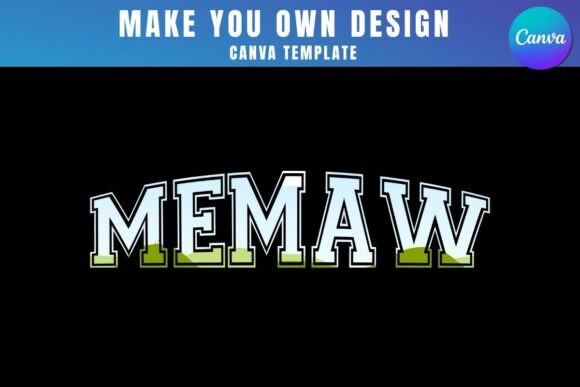
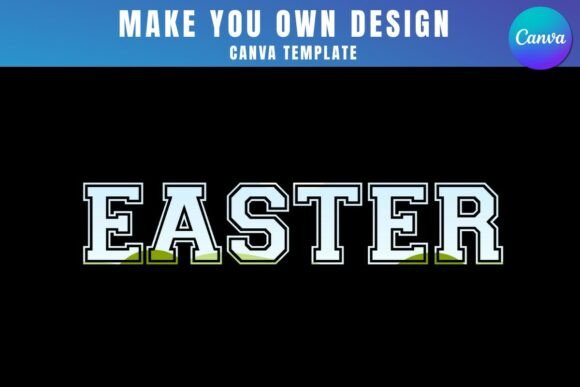
At its core, the Nannie Canva Frame Template Design is a collection of digital layout structures intended for use within the Canva platform. It is important to clarify that this is not a downloadable font or a set of physical products. It is a digital toolkit, a bridge between your raw ideas and a professional finish. The "frame" aspect is its genius. Think of these templates as sophisticated placeholders. They come in various shapes, layouts, and configurations, each designed to hold an image or a block of color with a specific, intentional style. The visual personality of these frames can range from clean and minimalist, perfect for a modern web design aesthetic, to ornate and vintage, ideal for packaging design or editorial spreads that need a touch of classic elegance.
Streamlining Your Creative Workflow
The real-world value of the Nannie Canva Frame Template Design lies in its ability to democratize professional design. You receive a simple PDF containing a direct link to the Canva templates. With a free Canva account, you can click and immediately start customizing. This accessibility is a game-changer for entrepreneurs and bloggers who need to produce social media graphics, website banners, or marketing materials quickly. The drag-and-drop functionality means you can take a standard PNG or JPG background image and, in seconds, have it perfectly cropped and styled within a beautiful frame. This eliminates the guesswork of composition and alignment, two areas where many non-designers struggle.
Consider the task of creating a series of Instagram posts for a product launch. Without a template system, each post might end up looking slightly different—the image might be centered in one, off-kilter in another, the border inconsistent. Using the Nannie frames, you ensure every single graphic shares the same visual language. This repetition builds brand recognition. Your audience starts to associate that specific shape or layout style with your business, strengthening your overall brand identity without a single word being spoken. It is the kind of subtle, professional touch that elevates a small business's marketing to look like it was crafted by a dedicated design agency.
Practical Applications Across Industries
The versatility of the Nannie Canva Frame Template Design makes it a valuable asset across numerous fields. For a publisher or content creator, these frames can transform a flat blog header into an engaging visual story. Instead of just placing a title over a stock photo, you can frame a key element of the image, creating a focal point that guides the reader's eye. In packaging design, a well-chosen frame can become the central motif of a label, wrapping a product in a layer of perceived quality. A craft enthusiast might use them to design personalized invitations or holiday cards, giving a homemade project a polished, store-bought feel.
However, it is crucial to understand the tool's boundaries to use it effectively. These templates are exclusively designed for Canva. They are not compatible with SVG files, nor can they be used with cutting machines like Cricut or Silhouette. This is a digital-only asset for screen-based design. Furthermore, while a free Canva account allows you to edit and use the frames with a colored background, downloading your final creation with a transparent background requires a Canva Pro subscription. This is a standard Canva platform limitation, not a flaw in the templates themselves, but an important detail for anyone planning to layer their graphics over different colored surfaces or other images.
Making the Most of Your Frames
To get the best results, approach these templates as a starting point, not a rigid cage. Experiment with font pairings. A frame with a strong, modern geometric style might pair well with a clean sans serif font for the accompanying text. A frame with a soft, handwritten or script font style integrated into its design would call for a simple, readable serif or sans serif typeface for body copy to maintain readability. The goal is to create visual hierarchy—where the frame draws the eye, and the text supports it clearly.
Evaluate the personality of each frame against your project's needs. Is your brand voice playful and energetic? Look for frames with rounded edges or dynamic, asymmetric shapes. Is it authoritative and trustworthy? Opt for frames with strong, straight lines and classic proportions. Test different images within the same frame. A landscape photo will tell a different story than a portrait or an abstract texture. The frame acts as a constant, while the content inside it provides the variation and freshness your audience craves. This balance between consistency and variety is the hallmark of a sophisticated design strategy.
Ultimately, the Nannie Canva Frame Template Design